By Dane Carbaugh
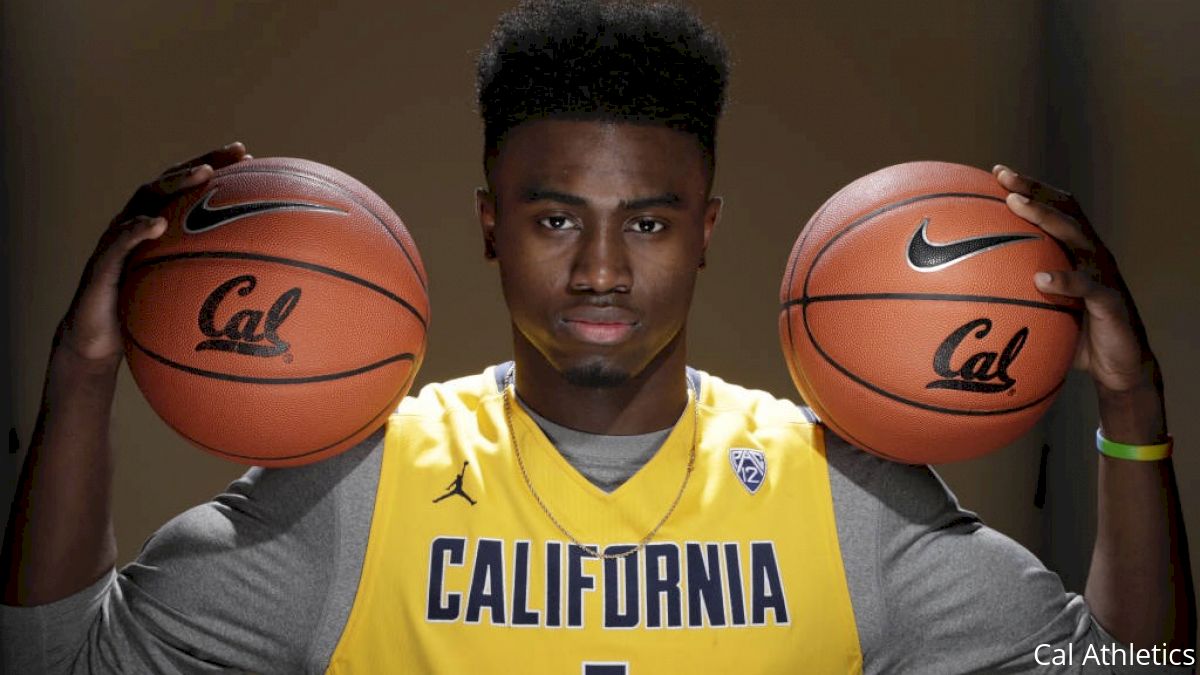
Jaylen Brown has been hailed as a Top 5 NBA pick for 2016 thanks to his size and speed. The Cal Golden Bears freshman stands 6-foot-7, 220 pounds and has not only speed, but handle as well.
But in playing for coach Cuonzo Martin, Brown has struggled in 2015. He’s picked up quick fouls, had turnover problems, and lacked a consistent jumper. Brown has played out of control at times, and some have even written that he might not be ready for selection in 2016.
Despite these knocks, Brown is an explosive player and has the ability to score in bunches. You just don’t expect the kind of speed he brings to the table, especially for a player of his size.
He finishes with strength in the lane and can pass the ball well inside 12 feet, a tricky and coveted type of vision that will bode him well at the next level.
Let’s take a look at some of the skills and areas of improvement for Brown as NBA GMs start devising their big boards.
Brown is most effective as a bruising attacker off the dribble. He’s got a lightning-quick first step, and takes contact as good as anyone in the NCAA.
He often runs north-to-south, with the ball protected from defenders thanks to his strong grip and broad shoulders. Brown goes around defenders smaller than him often, and usually without the help of a pick. It’s an elite talent that Coach Martin uses to his advantage often.
Take a look at this first example against Richmond:
Like LSU’s Ben Simmons, Brown benefits when teams fail to produce any friction on him before the 3-point arc. Check out the gap as he crosses half court. A huge run up at the middle of the court not only allows Brown to gain speed, but to plan his attack and see the floor for potential second or third options.
Despite having a smaller guard on him, Brown simply twists around the Spiders player with ease. Then, it’s off for an explosive dunk at the rim.
Brown also works well in transition, filling lanes well. In this example, the Golden Bears star can’t move to the middle of the floor, but notices that all five Richmond players are lagging behind:
With the baseline wide open, Brown takes on Spiders forward Deion Taylor. At 6-foot-7, 215 pounds, Taylor lines up on paper with Brown. But with a drop of the shoulder (and a bit of an extension of the arm) the Cal forward simply brushes him out of the way.
When he’s got a clear plan, Brown’s driving ability is the best part of his game even if he favors his right side a bit too much. When teams don’t gameplan to stop him in transition, or if they don’t have their help defense sorted out in clearout situations, Brown can easily take advantage.
Brown’s also touted as a defensive prospect, and it’s not hard to understand why. When focused, he is a big body that has natural instincts in 1-on-1 situations. Brown also does a relatively good job of keeping his eye on his man, and doesn’t overplay or get caught ball watching.
In the example above, you can see him operate as a defender at the free-throw line. Once his opponent squares to the hoop, he drops from a straight up position into a more athletic stance.
When the San Diego State player jab steps to his left, Brown steps backward but keeps his hips closed and square to his man.
As the offender drives, Brown shuffles his feet and turns his hips only when he knows he needs to protect the drive. At the peak of the shot, he lays back and contests without collapsing his arms or drawing body for a foul.
Now, let’s take a look at Brown in a similar situation in the same game:
The Cal star takes the same steps to guard against a drive, and San Diego State swings the ball back out to the near wing. Brown then gets caught up in the secondary action, with his man getting to the baseline off a screen.
Here’s where we see things fall apart. Brown is beat, but he doesn’t know it. His opponent has the baseline, but in his recovery, Brown tries to square his chest and body him up as a way of contesting the shot.
This is a prime example of how Brown gets into foul trouble. He often doesn’t know when to adjust from primary to help defender on a play, and tries to rely on his athleticism and strength to act as a method of recovery.
You’ll see him body players as they drive baseline a lot, or swipe at the elbow of shooters who have pump faked past him.
Part of what makes Brown such a prime prospect is his speed and force in attacking the rim. Inevitably, this talent opens up opportunities for his teammates, and Brown is not blind to his effect.
In the example above, Brown sits on the wing and sees room for a ramp up to the paint. As he drives and his man tries to recover from his right, two additional defenders turn their eyes to the ball.
This leaves Ivan Raab on the left block and open for a quick dump off.
Now, in a similar situation, San Diego State puts together the perfect defense against Brown and his current strengths.
First, you see that the Aztecs have put pressure on him before he ever crosses the timeline. This slows his speed to the basket and clouds his vision by forcing a decision earlier than he wants. It also allows San Diego State to set up their help defense from the inside out.
After Brown changes direction to get around the first defender, he rushes to the paint but has it clogged by a big man and a helping guard.
In this scenario, we see how Brown can be stopped. Where you can clearly see a Golden Bear standing on beyond the arc, left elbow extended, Brown isn’t quite sure how to react. The smart (and only) move is the kick to the left, but without a shot to be had or a cutting pass to be made, it results in a missed shot and a possession wasted.
This has been a big weakness of Brown this season. When he gets below the free-throw line, he just doesn’t stop. It’s got to be a shot or a pass, and he’s often off balance if a team has him defended squarely and rotationally.
The big knock against Brown, other than the items listed above, is his jumper. He’s apparently worked on his release since his senior season of high school, but he still lacks balance.
In particular, Brown has a back-to-front sway in his shot that’s mostly caused by the fact that he starts with his shoulders too far over his knees.
This results in a lot of his leg power being wasted and there’s sort of a flicking hitch at the top. Getting distance down in a repeatable way with this motion seems particularly difficult.
He’s going to need to work on his jumper and decision making to make him more difficult to gameplan against.
Jaylen Brown has been hailed as a Top 5 NBA pick for 2016 thanks to his size and speed. The Cal Golden Bears freshman stands 6-foot-7, 220 pounds and has not only speed, but handle as well.
But in playing for coach Cuonzo Martin, Brown has struggled in 2015. He’s picked up quick fouls, had turnover problems, and lacked a consistent jumper. Brown has played out of control at times, and some have even written that he might not be ready for selection in 2016.
Despite these knocks, Brown is an explosive player and has the ability to score in bunches. You just don’t expect the kind of speed he brings to the table, especially for a player of his size.
He finishes with strength in the lane and can pass the ball well inside 12 feet, a tricky and coveted type of vision that will bode him well at the next level.
Let’s take a look at some of the skills and areas of improvement for Brown as NBA GMs start devising their big boards.
Driving Ability
Brown is most effective as a bruising attacker off the dribble. He’s got a lightning-quick first step, and takes contact as good as anyone in the NCAA.
He often runs north-to-south, with the ball protected from defenders thanks to his strong grip and broad shoulders. Brown goes around defenders smaller than him often, and usually without the help of a pick. It’s an elite talent that Coach Martin uses to his advantage often.
Take a look at this first example against Richmond:
Like LSU’s Ben Simmons, Brown benefits when teams fail to produce any friction on him before the 3-point arc. Check out the gap as he crosses half court. A huge run up at the middle of the court not only allows Brown to gain speed, but to plan his attack and see the floor for potential second or third options.
Despite having a smaller guard on him, Brown simply twists around the Spiders player with ease. Then, it’s off for an explosive dunk at the rim.
Brown also works well in transition, filling lanes well. In this example, the Golden Bears star can’t move to the middle of the floor, but notices that all five Richmond players are lagging behind:
With the baseline wide open, Brown takes on Spiders forward Deion Taylor. At 6-foot-7, 215 pounds, Taylor lines up on paper with Brown. But with a drop of the shoulder (and a bit of an extension of the arm) the Cal forward simply brushes him out of the way.
When he’s got a clear plan, Brown’s driving ability is the best part of his game even if he favors his right side a bit too much. When teams don’t gameplan to stop him in transition, or if they don’t have their help defense sorted out in clearout situations, Brown can easily take advantage.
Defense
Brown’s also touted as a defensive prospect, and it’s not hard to understand why. When focused, he is a big body that has natural instincts in 1-on-1 situations. Brown also does a relatively good job of keeping his eye on his man, and doesn’t overplay or get caught ball watching.
In the example above, you can see him operate as a defender at the free-throw line. Once his opponent squares to the hoop, he drops from a straight up position into a more athletic stance.
When the San Diego State player jab steps to his left, Brown steps backward but keeps his hips closed and square to his man.
As the offender drives, Brown shuffles his feet and turns his hips only when he knows he needs to protect the drive. At the peak of the shot, he lays back and contests without collapsing his arms or drawing body for a foul.
Now, let’s take a look at Brown in a similar situation in the same game:
The Cal star takes the same steps to guard against a drive, and San Diego State swings the ball back out to the near wing. Brown then gets caught up in the secondary action, with his man getting to the baseline off a screen.
Here’s where we see things fall apart. Brown is beat, but he doesn’t know it. His opponent has the baseline, but in his recovery, Brown tries to square his chest and body him up as a way of contesting the shot.
This is a prime example of how Brown gets into foul trouble. He often doesn’t know when to adjust from primary to help defender on a play, and tries to rely on his athleticism and strength to act as a method of recovery.
You’ll see him body players as they drive baseline a lot, or swipe at the elbow of shooters who have pump faked past him.
Decision Making and Control
Part of what makes Brown such a prime prospect is his speed and force in attacking the rim. Inevitably, this talent opens up opportunities for his teammates, and Brown is not blind to his effect.
In the example above, Brown sits on the wing and sees room for a ramp up to the paint. As he drives and his man tries to recover from his right, two additional defenders turn their eyes to the ball.
This leaves Ivan Raab on the left block and open for a quick dump off.
Now, in a similar situation, San Diego State puts together the perfect defense against Brown and his current strengths.
First, you see that the Aztecs have put pressure on him before he ever crosses the timeline. This slows his speed to the basket and clouds his vision by forcing a decision earlier than he wants. It also allows San Diego State to set up their help defense from the inside out.
After Brown changes direction to get around the first defender, he rushes to the paint but has it clogged by a big man and a helping guard.
In this scenario, we see how Brown can be stopped. Where you can clearly see a Golden Bear standing on beyond the arc, left elbow extended, Brown isn’t quite sure how to react. The smart (and only) move is the kick to the left, but without a shot to be had or a cutting pass to be made, it results in a missed shot and a possession wasted.
This has been a big weakness of Brown this season. When he gets below the free-throw line, he just doesn’t stop. It’s got to be a shot or a pass, and he’s often off balance if a team has him defended squarely and rotationally.
Deficiencies
The big knock against Brown, other than the items listed above, is his jumper. He’s apparently worked on his release since his senior season of high school, but he still lacks balance.
In particular, Brown has a back-to-front sway in his shot that’s mostly caused by the fact that he starts with his shoulders too far over his knees.
This results in a lot of his leg power being wasted and there’s sort of a flicking hitch at the top. Getting distance down in a repeatable way with this motion seems particularly difficult.
He’s going to need to work on his jumper and decision making to make him more difficult to gameplan against.