GLIAC Men's BasketballMar 10, 2016 by Brett Pickert
Kevin Garnett Still Has Half of an Elite Game
Kevin Garnett Still Has Half of an Elite Game
Kevin Garnett may not be the player he used to be but he still gives an elite effort.
By Miles Wray
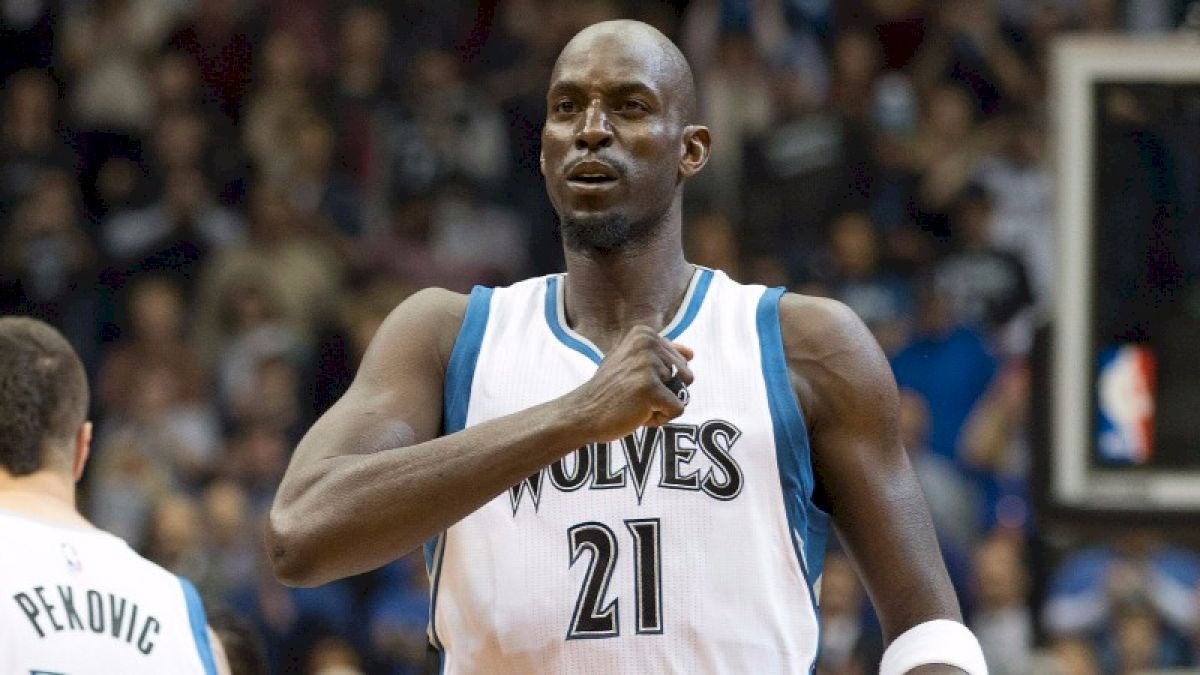
In February of 2015, when the Minnesota Timberwolves traded Thaddeus Young to the Brooklyn Nets in exchange for Kevin Garnett, everybody only felt a warm sentimentality for Garnett and the win-starved Minneapolis crowds. When Garnett resigned with the team last summer as a free agent, on a two-year, $16.5 million deal, that seemed a little much -- especially considering Garnett has earned more in career salary than any active player. But hey, the Timberwolves are in the midst of rebuilding: not only do they have all sorts of cap space, but they could probably use the nostalgic bump in ticket sales also.
Garnett has played just 38 games this season, and on a career-low 14.6 minutes per game. And he might be done for the season, too, with the same knee injury that has kept him out since late January.
The abbreviated season for Garnett isn’t from lack of him trying, though. In January, Timberwolves head coach Sam Mitchell -- a former teammate of Garnett’s -- explained why Garnett plays so infrequently in a fantastic extended interview with journalist Britt Robson:
People scream, put KG back in! And I just want to turn around and tell them that after 20 years, it takes KG all that he has to give us the 15 minutes a night he gives us now. People don’t understand how much pain he is in. To play 15 minutes a game, he gets here at 8:30 in the morning. He’s in the weight room. I left here the day before yesterday, it was after 6 o’clock and he was back there getting his legs worked on.
Here’s something even more surprising about Garnett’s season: on one end of the floor, he was playing at a superstar level. Still. ESPN’s Real Plus-Minus statistic has Garnett ranked as one of the top ten most effective defenders in the league, just behind Kawhi Leonard of the San Antonio Spurs and Bismack Biyombo of the Toronto Raptors. Defense at that phenomenally skilled level can have a huge impact for the entire unit on the floor: during those short minutes that Garnett plays, the Timberwolves actually outscore their opponents by 5.6 points per 100 possessions. For comparison: the 41-20 Los Angeles Clippers outscore their opponents by 4.6 points per 100 possessions.
What’s even more remarkable about Garnett’s manic defense is how little the rest of the team as bought in. Personally speaking, I’d think it would be terrifying to have the manic Garnett staring at you whenever you slip up on defense. However, even with Garnett’s notable defensive contributions, the Timberwolves are still 29th in the league in Defensive Rating, allowing more points per possession that all but the Los Angeles Lakers. Minnesota allows 0.99 points per possession when Garnett is on the floor, a number that balloons all the way up to 1.12 points per possession when he sits -- which is bigger than the difference between the league’s second-best defense and worst defense this season.
While it does remain possible to burst past Garnett using speed and cuts, what’s also true is that Garnett is consistently physical and attentive in disrupting the offense’s set. Watch how Garnett’s activity here disrupts the Dallas Mavericks’ offense in really subtle ways:
By sticking a hand into the passing lane, Garnett: (1) prevents a pass being made to the cutting Wesley Matthews, and then (2) forces Chandler Parsons’ cross-cut pass to Deron Williams to be thrown with a bit of an arc. The extra hang-time on the pass allows Garnett’s teammate Ricky Rubio to catch up to Williams, who must move the ball along as the shot clock expires. Even if Garnett’s man is “out” of the play, Garnett will insert himself into it.
Here’s another example of Garnett proactively ruining an offense from the second half of the same game. Keep in mind that Garnett is guarding Dirk Nowitzki -- a Hall of Famer off the strength of his outside shooting. Still, look at the ways that Garnett leaves Nowitzki to help on the ball:
Garnett always makes sure he is obstructing the passing lane that would help get the ball to Nowitzki. When Chandler Parsons becomes trapped under the hoop and is unable to pass to Nowitzki on the perimeter, Garnett crashes down and earns the deflection.
There’s a great bit of physicality that Garnett uses on the play below. Right as the ball crosses halfcourt, Garnett puts a body on Nowitzki -- which prevents Nowitzki from being able to set a screen on point guard Rubio:
Rubio -- who is impressively ranked as the NBA’s 34th-best defender by Real Plus-Minus -- ends up being the defensive hero of this possession, working through two successive screens and also providing essential help on a driving Parsons. If Garnett simply allows Nowitzki to screen Rubio, then perhaps Rubio is just a step behind, and unable to stay in position for the rest of the possession.
These types of checks and reads are not normal, even at the NBA level. Look at the difference when the Timberwolves went to play Dallas at the end of February without Garnett, in a game Minnesota would lose 128-101. Here’s second-year forward Adreian Payne (wearing #33, ranked 217th among defenders) oddly mis-prioritizing sticking with his man and protecting the rim:
Even third-year power forward Gorgui Dieng (wearing #5), who is ranked an impressive #79 overall among defenders, doesn’t do quite all of the things that Garnett does. Dieng is in-position and prepared when facing the following screens -- but his lack of physicality in defending the screens gives the Mavericks that additional step as they run their offense:
Who knows how many games Garnett will manage to play in across this season and next season, before he finally (one would think) hangs ’em up. However many games that is, though, remember that Garnett has been playing disciplined basketball and helping, not hurting, his team, down to the very end.
All statistics accurate as of games played on March 6.
In February of 2015, when the Minnesota Timberwolves traded Thaddeus Young to the Brooklyn Nets in exchange for Kevin Garnett, everybody only felt a warm sentimentality for Garnett and the win-starved Minneapolis crowds. When Garnett resigned with the team last summer as a free agent, on a two-year, $16.5 million deal, that seemed a little much -- especially considering Garnett has earned more in career salary than any active player. But hey, the Timberwolves are in the midst of rebuilding: not only do they have all sorts of cap space, but they could probably use the nostalgic bump in ticket sales also.
Garnett has played just 38 games this season, and on a career-low 14.6 minutes per game. And he might be done for the season, too, with the same knee injury that has kept him out since late January.
The abbreviated season for Garnett isn’t from lack of him trying, though. In January, Timberwolves head coach Sam Mitchell -- a former teammate of Garnett’s -- explained why Garnett plays so infrequently in a fantastic extended interview with journalist Britt Robson:
People scream, put KG back in! And I just want to turn around and tell them that after 20 years, it takes KG all that he has to give us the 15 minutes a night he gives us now. People don’t understand how much pain he is in. To play 15 minutes a game, he gets here at 8:30 in the morning. He’s in the weight room. I left here the day before yesterday, it was after 6 o’clock and he was back there getting his legs worked on.
Here’s something even more surprising about Garnett’s season: on one end of the floor, he was playing at a superstar level. Still. ESPN’s Real Plus-Minus statistic has Garnett ranked as one of the top ten most effective defenders in the league, just behind Kawhi Leonard of the San Antonio Spurs and Bismack Biyombo of the Toronto Raptors. Defense at that phenomenally skilled level can have a huge impact for the entire unit on the floor: during those short minutes that Garnett plays, the Timberwolves actually outscore their opponents by 5.6 points per 100 possessions. For comparison: the 41-20 Los Angeles Clippers outscore their opponents by 4.6 points per 100 possessions.
What’s even more remarkable about Garnett’s manic defense is how little the rest of the team as bought in. Personally speaking, I’d think it would be terrifying to have the manic Garnett staring at you whenever you slip up on defense. However, even with Garnett’s notable defensive contributions, the Timberwolves are still 29th in the league in Defensive Rating, allowing more points per possession that all but the Los Angeles Lakers. Minnesota allows 0.99 points per possession when Garnett is on the floor, a number that balloons all the way up to 1.12 points per possession when he sits -- which is bigger than the difference between the league’s second-best defense and worst defense this season.
While it does remain possible to burst past Garnett using speed and cuts, what’s also true is that Garnett is consistently physical and attentive in disrupting the offense’s set. Watch how Garnett’s activity here disrupts the Dallas Mavericks’ offense in really subtle ways:
By sticking a hand into the passing lane, Garnett: (1) prevents a pass being made to the cutting Wesley Matthews, and then (2) forces Chandler Parsons’ cross-cut pass to Deron Williams to be thrown with a bit of an arc. The extra hang-time on the pass allows Garnett’s teammate Ricky Rubio to catch up to Williams, who must move the ball along as the shot clock expires. Even if Garnett’s man is “out” of the play, Garnett will insert himself into it.
Here’s another example of Garnett proactively ruining an offense from the second half of the same game. Keep in mind that Garnett is guarding Dirk Nowitzki -- a Hall of Famer off the strength of his outside shooting. Still, look at the ways that Garnett leaves Nowitzki to help on the ball:
Garnett always makes sure he is obstructing the passing lane that would help get the ball to Nowitzki. When Chandler Parsons becomes trapped under the hoop and is unable to pass to Nowitzki on the perimeter, Garnett crashes down and earns the deflection.
There’s a great bit of physicality that Garnett uses on the play below. Right as the ball crosses halfcourt, Garnett puts a body on Nowitzki -- which prevents Nowitzki from being able to set a screen on point guard Rubio:
Rubio -- who is impressively ranked as the NBA’s 34th-best defender by Real Plus-Minus -- ends up being the defensive hero of this possession, working through two successive screens and also providing essential help on a driving Parsons. If Garnett simply allows Nowitzki to screen Rubio, then perhaps Rubio is just a step behind, and unable to stay in position for the rest of the possession.
These types of checks and reads are not normal, even at the NBA level. Look at the difference when the Timberwolves went to play Dallas at the end of February without Garnett, in a game Minnesota would lose 128-101. Here’s second-year forward Adreian Payne (wearing #33, ranked 217th among defenders) oddly mis-prioritizing sticking with his man and protecting the rim:
Even third-year power forward Gorgui Dieng (wearing #5), who is ranked an impressive #79 overall among defenders, doesn’t do quite all of the things that Garnett does. Dieng is in-position and prepared when facing the following screens -- but his lack of physicality in defending the screens gives the Mavericks that additional step as they run their offense:
Who knows how many games Garnett will manage to play in across this season and next season, before he finally (one would think) hangs ’em up. However many games that is, though, remember that Garnett has been playing disciplined basketball and helping, not hurting, his team, down to the very end.
All statistics accurate as of games played on March 6.